War with Pescennius Niger
July 26, 2007
While Septimius Severus was settling affairs in Rome after his successful coup of Didius Julianus’ government (AD 193), the governor of Syria was still preparing his own bid for Roman supremacy. The source information on Gaius Pescennius Niger is relatively obscure, be he seems to have been an Italian of equestrian heritage and was born in approximately AD 135. After serving with some military acclaim in Dacia, he seems to have been made a suffex consul (late 180’s AD) and had been appointed to govern Syria as a trusted lieutenant of Commodus in AD 191...
War with Pescennius Niger
Roman Architecture
July 20, 2007
Another review has been submitted by community member "Ursus"...
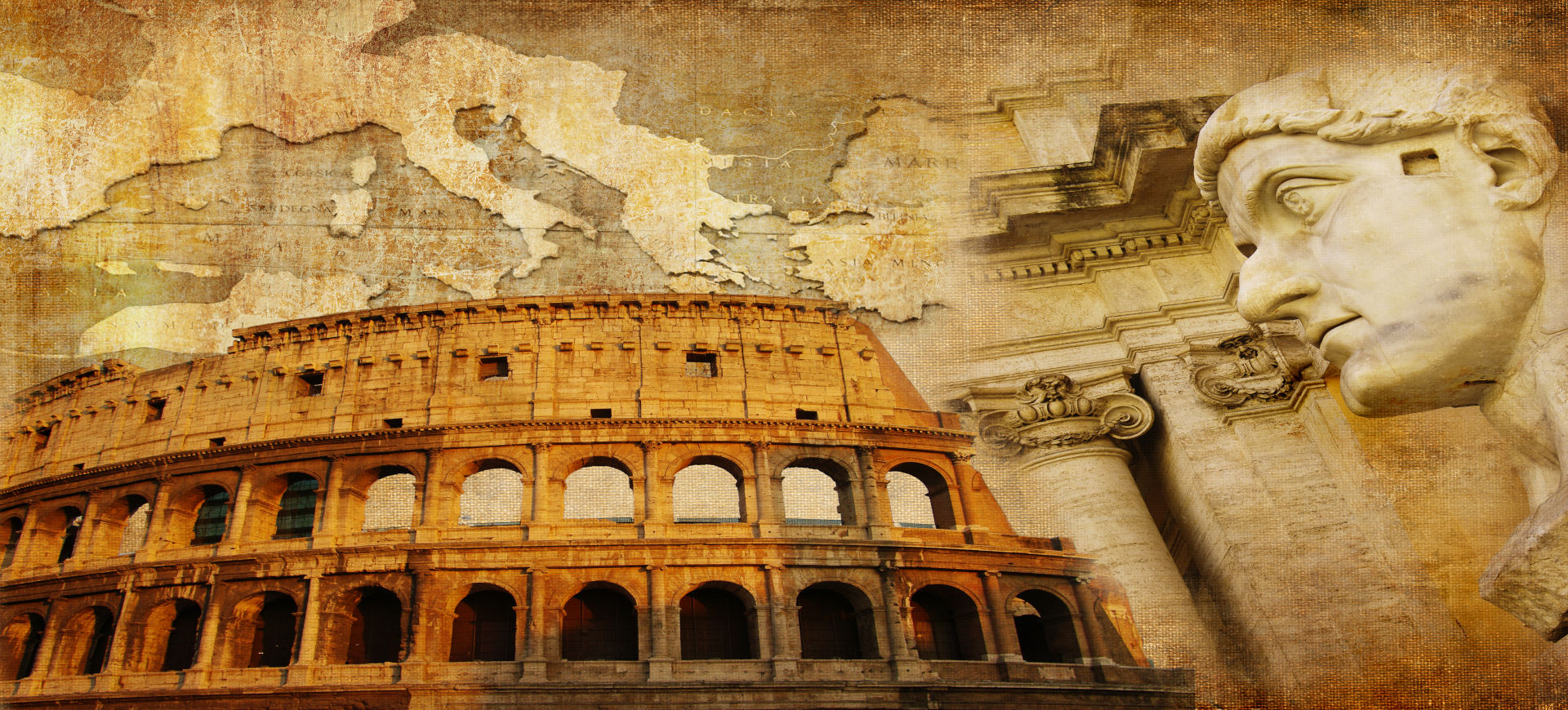
Architecture is the most visible legacy of any culture, and often survives other elements of the culture that have sunk into oblivion. One could rightfully extol Rome’s contributions to law and government, language and literature, religion and philosophy. Yet all those attributes would require lengthy discourse and study to appreciate; a simple aqueduct wordlessly conveys a more manifest appreciation of Roman imperial grandeur, especially if that aqueduct is still in use after some twenty centuries. Throughout the classical world the Empire of the Romans was littered with enduring monuments to their gods and military leaders, even the ruins of which still possess the capacity to awe their observers. In an era where pagan deities are blasé and military triumph eschewed, those monuments have instead become hallowed testaments to the engineering skill of the architects who designed them. Indeed, the Roman legacy has dominated Western architecture until fairly recently. Nigel Rogers and Hazel Dodge provide in their Roman Architecture a delicious visual survey of the subject...
Read the full review of Roman Architecture by Nigel Rogers.
Leading Statesman of the Roman Republic
July 17, 2007
Thanks to the efforts of forum member M. Porcius Cato, we have completely revamped and updated the Leading Statesman of the Roman Republic page.
Pompeii - The Living City
July 11, 2007
A review presented by community member "Pertinax"...
This is not to be confused with the work “Pompeii” by Harris, though I happen to believe that both books fall into a similar category: an entertaining fictional repopulation of Pompeii that would be excellent bed time reading for a first time visitor to the City. This title would also be a good choice for stimulating an interest in Roman history in a friend with no great background knowledge or as a pleasant conceit for a confirmed Romanophile...
Read the full review of Pompeii the Living City by Alex Butteworth.
Roman Naming Practices During the Principate
July 05, 2007
Practically even before a child of Roman parents was conceived, during the period of the Republic his or her name was already prescribed by a rigid system of personal identification. During the Principate, however, naming practices began to change, making this period a particularly interesting one for Roman onomastics.
Of the tria nomina, the three-part name borne by most freeborn male Roman citizens, the Roman praenomen came first and was the only one of the three names that offered parents some choice in naming their son. Even so, there had always been for Roman parents a limited number of praenomina from which to choose when naming a son and, of these, a mere seventeen constituted 98% of all praenomina in use by Roman males during the Regal and Republican periods...
Roman Naming Practices During the Principate