
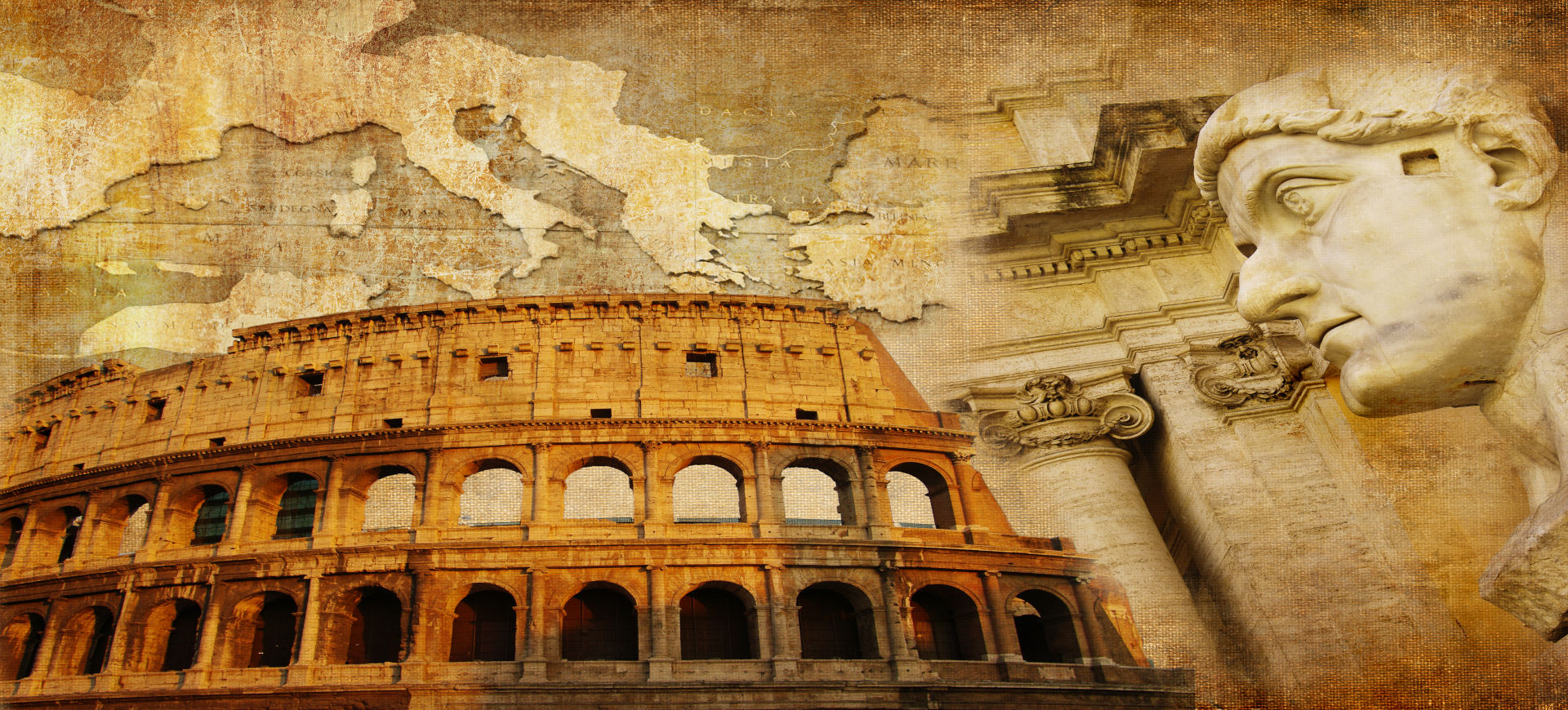
Expanding by military conquest or through absorbing other people and cultures into their Empire, Rome still stands today as a legacy to the achievement of mankind, and its failures. UNRV aims to give visitors a substantial look into what Rome was. We will delve into all aspects of its society and those of her neighbors, and perhaps share a greater understanding of our own world through that of the past, including how Roman numerals, one of the most enduring numbering systems in history, still shape how we number events, clocks, and even movie sequels, today.
Through the sharing of archeological news, and in-depth content, we can only hope that just one person will be inspired to dig deeper into history. We hope to provide a forum for those who study the ancient Romans in all forms. A place for scholars, students and those who seek to learn, to exchange ideas and gather information. Perhaps just one influenced mind will discover the next Rosetta Stone, or unveil lost secrets of the archaeological world.


A new article looking at the geography of ancient Rome has been added.
Discussion Forum - Popular Threads
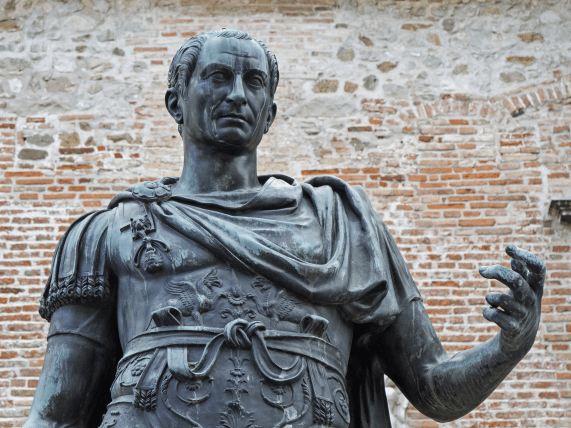
Caesar: Hero Or Villain?
Were the Marian reforms the doom for the Roman Republic?
How to pronounce Roman names